

Travel in Mauritania
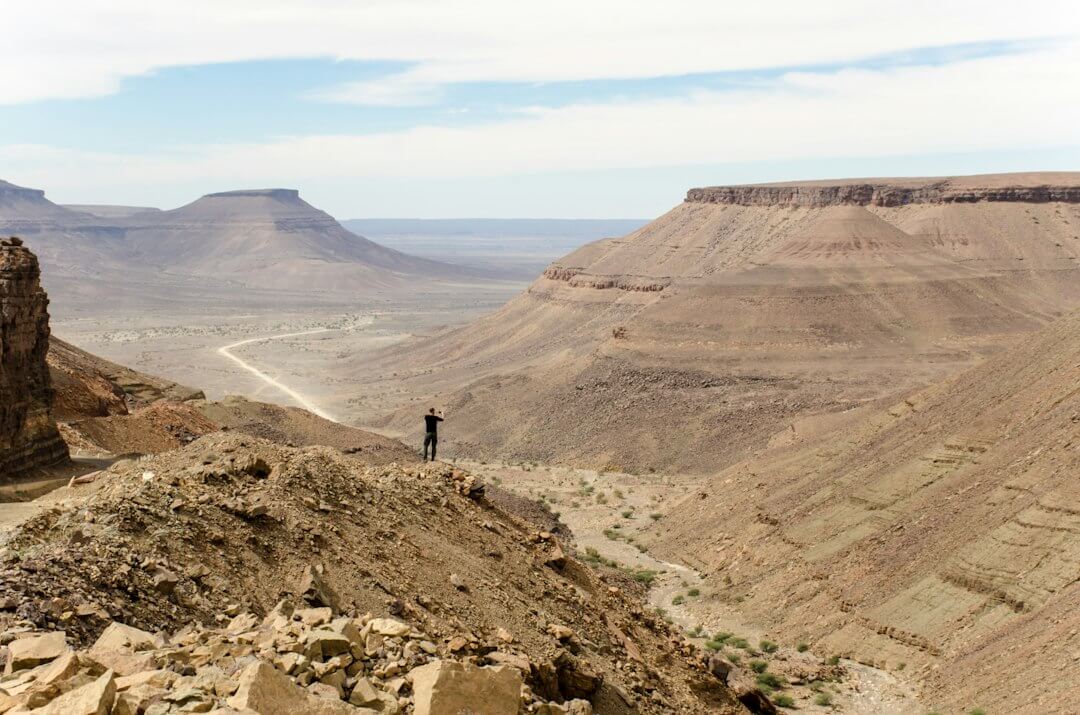
Embark on a journey of a lifetime to Mauritania, where timeless desert landscapes meet authentic Saharan traditions. Experience the boundless hospitality of the Mauritanian people and immerse yourself in the rich tapestry of culture and history. From adventurous desert tours to authentic local cuisine, Mauritania offers a unique blend of exploration and discovery. Let the mystical allure of this West African gem captivate your senses and leave you spellbound with its beauty and intrigue.


Are you an expert in creating unforgettable experiences?
We don't have any planned trips for this destination yet. Be the first to post!
Join us and bring your customized trips and exclusive packages to passionate travelers. Make each adventure memorable.
Why visit Mauritania
Experience the hidden gem of North Africa, Mauritania, where ancient traditions mix with stunning landscapes to offer a truly unique travel experience.
- Explore the mysterious ancient city of Chinguetti, with its iconic mosques and centuries-old libraries.
- Marvel at the vast expanses of the Sahara Desert and take a camel trek across the mesmerizing sand dunes.
- Immerse yourself in the rich Mauritanian culture by participating in traditional festivals and interacting with local communities.
- Savor the flavors of Mauritanian cuisine, from hearty stews like thieboudienne to sweet mint tea.
- Discover the unique architecture of the Adrar Plateau and the ancient ksour villages that dot the landscape.
- Embark on a fishing adventure along the Atlantic coast and witness the vibrant local fishing communities.
Best time to visit Mauritania
Travel tips
Embarking on an adventure to Mauritania? Make sure your journey is smooth and enjoyable with these essential travel tips:
- Visa requirements: Check the current visa regulations for Mauritania and make sure to obtain the necessary visa before your trip. It's typically required for most nationalities.
- Vaccinations: Consult with your healthcare provider or a travel clinic to get up-to-date information on recommended vaccines for Mauritania. Common vaccines include those for Hepatitis A, Typhoid, and Yellow Fever.
- Currency: The official currency in Mauritania is the Mauritanian Ouguiya. It's advisable to carry some cash in local currency for smaller transactions as credit card acceptance may be limited.
- Cultural norms: Respect the local customs and traditions in Mauritania. Modest clothing, especially for women, is recommended, and it's important to be mindful of local sensitivities.
- Travel insurance: Ensure you have comprehensive travel insurance that covers medical emergencies, trip cancellations, and other unforeseen circumstances during your stay in Mauritania.
- Safety precautions: Stay informed about the current security situation in the areas you plan to visit. Exercise caution, especially in remote regions, and follow any travel advisories issued by your government.
Culture and Traditions
Culture and Traditions in Mauritania: Mauritania's rich cultural heritage is evident in its local etiquette, which places a strong emphasis on hospitality. Visitors are often greeted warmly with mint tea, a symbol of friendship and welcoming. It is customary to accept the tea with both hands as a sign of respect towards the host.
Festivals and Celebrations: One of the most significant festivals in Mauritania is the Independence Day on November 28th, commemorating its independence from France in 1960. The celebrations include traditional music, dance performances, and colorful parades, showcasing the country's vibrant cultural diversity.
Traditional Practices: The traditional art of storytelling, known as "tefech," plays a vital role in preserving Mauritania's oral history and traditions. Storytellers, often revered in communities, use this form of communication to pass down moral lessons, historical events, and cultural values to younger generations.
Cuisine
Mauritanian cuisine is a delightful fusion of flavors influenced by the country's diverse culture and geography. Some popular dishes include thieboudienne, a savory fish and rice dish cooked with vegetables and spices, and camel meat prepared in various ways, such as grilled or in stews.
When visiting Mauritania, be sure to try mbakboukou, a tasty mix of millet, yogurt, and vegetables often served for breakfast. For a unique culinary experience, head to Le Kafa in Nouakchott, known for its traditional Mauritanian dishes and warm hospitality. Another top dining spot is El Khaima in Atar, where you can savor authentic Berber cuisine under the stars.
Food plays a significant role in Mauritanian culture, with festivals like the Chinguetti Date Festival celebrating the importance of dates in the local diet. During this event, visitors can enjoy a variety of date-based dishes and learn about traditional harvesting methods.